
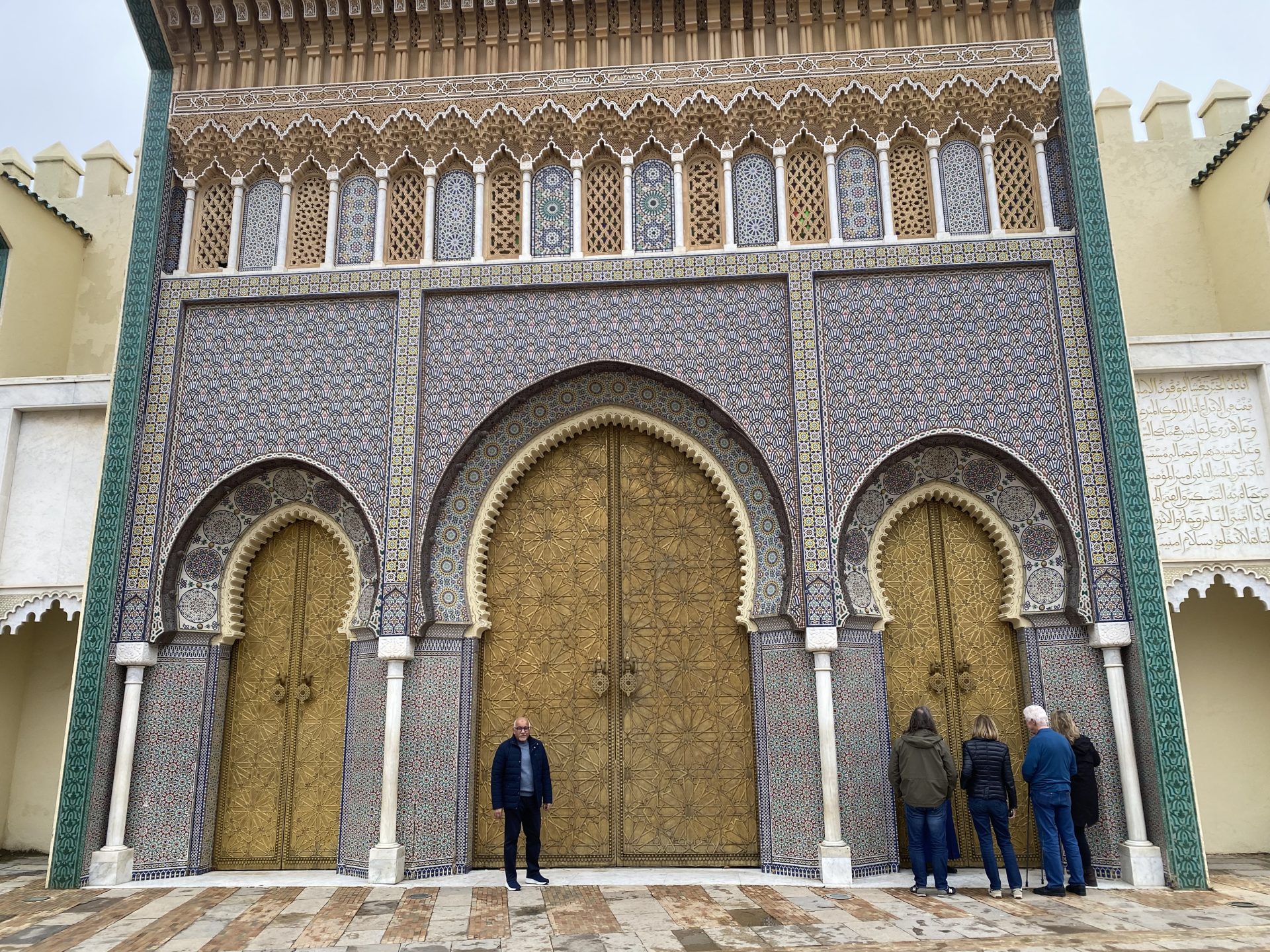

Ouarzazate occupies a special place in the Moroccan imagination. This desert city, strategically positioned where the High Atlas Mountains meet the Sahara, has served travelers for centuries as a resting point on ancient trade routes. Today, tours Ouarzazate offer visitors the opportunity to explore this historic gateway while discovering the extraordinary landscapes and cultural traditions that make southern Morocco unique. This complete guide helps travelers plan their perfect Ouarzazate adventure.
The region surrounding Ouarzazate contains some of Morocco’s most remarkable architecture. The Ait Ben Haddou ksar stands as the crowning achievement of earthen construction, a fortified village that has appeared in countless films and earned UNESCO World Heritage status. Its clustered towers rise from the Ounila Valley like a natural extension of the landscape. Wandering through its narrow passageways, visitors encounter spaces unchanged for centuries – communal granaries, modest homes, and defensive positions overlooking the valley. Local guides share stories of the families who maintained this settlement for generations before its cinematic fame.
The Taourirt Kasbah in Ouarzazate itself offers another architectural treasure. Once home to the Glaoui family, who controlled the Atlas trade routes, this sprawling complex reveals the power and wealth of southern Morocco’s most influential dynasty. Its labyrinthine interior contains over three hundred rooms, including ornate reception chambers decorated with painted ceilings and intricate plasterwork. Restoration efforts continue to reveal the kasbah’s original grandeur, offering visitors insight into the political dynamics that shaped the region.
The Draa Valley stretches south from Ouarzazate like a green ribbon through desert landscapes. This historic route once carried gold, salt, and slaves from sub-Saharan Africa to the imperial cities of the north. Today, travelers follow the same path through a string of oasis villages, each clustered around palm groves irrigated by ancient systems. The valley contains dozens of kasbahs in various states of preservation, from crumbling ruins to restored residences welcoming visitors. The village of Agdez offers particularly fine examples of traditional architecture along with opportunities to meet local families.
Film enthusiasts find abundant material for exploration in Ouarzazate. The Atlas Film Studios, established in 1983, ranks among the world’s largest film studio complexes. Its permanent sets include reconstructions of ancient Egyptian temples, biblical Jerusalem, and Tibetan monasteries, all constructed in the desert and available for touring. Knowledgeable guides explain the technical challenges of desert filming and share anecdotes about productions ranging from “Lawrence of Arabia” to “Game of Thrones.” The nearby CLA Studios offers additional sets and exhibits on Moroccan cinema.
The journey toward the Sahara represents the ultimate extension of tours Ouarzazate. M’hamid, the last village before the desert proper, marks the point where paved roads yield to sand. Beyond lies Erg Chigaga, a massive dune field requiring four-wheel drive vehicles or camel transport to reach. The experience of crossing this landscape at camel pace, arriving at a desert camp as the setting sun paints the dunes gold, ranks among Morocco’s most memorable experiences. Nights bring brilliant stars undimmed by city lights, accompanied by Berber music around campfires.
The village of Tamegroute preserves traditions that deserve attention. Its green-glazed pottery, created using techniques passed through generations, features distinctive glazes whose formulas remain family secrets. The underground pottery workshops, where craftspeople shape clay in naturally cool spaces, offer fascinating glimpses into this living heritage. The village’s zaouia contains a historic Quranic library with manuscripts dating back centuries, testifying to the region’s intellectual traditions alongside its artisanal ones.
The mountain journey between Ouarzazate and Marrakech traverses the High Atlas via the Tizi n’Tichka pass. At over two thousand meters, this route offers dramatic perspectives on mountain life. Berber villages cling to steep slopes, their terraced fields following contours carved over generations. Roadside stalls sell fossils and minerals collected from the surrounding mountains, providing souvenirs with genuine geological interest. The changing light as the sun moves across mountain faces creates endless photographic opportunities.
Seasonal considerations influence the planning of tours Ouarzate. Spring brings wildflowers to the desert margins and pleasant temperatures throughout the region. Autumn offers similar conditions with the added attraction of date harvests in the Draa Valley. Summer requires careful timing, with activities best scheduled for early morning and late afternoon to avoid extreme heat. Winter brings cold nights but clear days, with the advantage of fewer visitors at major sites.
Community-based tourism initiatives offer deeper engagement with local culture. Several villages in the region have developed homestay programs allowing visitors to experience family life firsthand. These arrangements typically include participation in daily activities, shared meals, and evenings spent with hosts who explain their traditions and respond to questions about contemporary life in southern Morocco. The modest additional cost of such experiences rewards travelers with genuine connections impossible through conventional tourism.
Photography enthusiasts find endless subjects throughout the Ouarzazate region. The golden hour before sunset transforms kasbah walls into warm hues, while morning light reveals the textures of palm groves and mountain slopes. Night photography captures the spectacular desert sky, with the Milky Way visible during clear phases of the moon. Local guides know the best vantage points and can advise on timing for optimal conditions.
The cuisine of southern Morocco merits exploration during any visit. Tagines prepared over charcoal fires develop distinctive flavors impossible to replicate elsewhere. Couscous accompanied by seven vegetables honors traditions of hospitality and abundance. Sweet mint tea, poured from height to create foam, accompanies every social interaction. Markets in Ouarzazate and smaller towns offer opportunities to sample local specialties and observe the ingredients that define regional cooking.
Practical logistics for tours Ouarzazate require attention to transportation arrangements. While Ouarzazate connects to major cities by road and air, exploring the region’s dispersed sites demands reliable vehicle access. Four-wheel drive vehicles prove essential for desert tracks, while standard cars suffice for paved routes. Many travelers prefer organized tours that include transportation, guide services, and accommodation, eliminating logistical concerns while ensuring access to the region’s highlights.
The enduring appeal of Ouarzazate lies in its position at the meeting point of mountain, desert, and tradition. Tours Ouarzazate offer travelers the chance to experience this convergence firsthand, discovering landscapes and cultures that have shaped Morocco’s identity for millennia. Whether drawn by cinematic landscapes, architectural treasures, or the call of the desert, visitors find themselves transformed by the region’s timeless appeal.
What’s Included in Complete Tours Ouarzazate
- Professional local guides with comprehensive regional knowledge
- Comfortable 4×4 transportation throughout the tour
- Accommodation in carefully selected hotels, riads, and desert camps
- All meals as specified in the itinerary
- Guided visits to Ait Ben Haddou, Taourirt Kasbah, and film studios
- Camel trekking experiences in the Sahara desert
- All entrance fees to monuments and cultural sites
- Bottled water during all excursions
What’s Not Included
- International flights and travel insurance
- Personal expenses and souvenirs
- Gratuities for guides, drivers, and camp staff
- Alcoholic beverages
- Optional activities not specified in the itinerary
- Accommodation in Ouarzazate before or after the tour
Frequently Asked Questions
How many days should I allocate for comprehensive tours Ouarzazate?
Five to seven days allows thorough exploration of Ouarzazate and its surrounding region, including the Draa Valley, desert camps, and the journey to Marrakech via the Tizi n’Tichka pass. Shorter itineraries of three to four days can cover highlights but require prioritizing certain experiences over others.
Can tours Ouarzazate accommodate travelers with limited mobility?
Many sites in the region present accessibility challenges due to uneven terrain and historic construction. However, specialized tours can arrange modified itineraries focusing on more accessible locations and providing appropriate transportation. Discuss specific needs with tour operators when booking.
What should I pack for desert portions of tours Ouarzazate?
Lightweight, breathable clothing for daytime, warm layers for cool desert nights, sturdy walking shoes, sun protection including hat and sunglasses, a headlamp for camp use, and any personal medications. Cameras with extra batteries prove essential, as cold desert nights can drain power quickly.
Are tours Ouarzazate appropriate for photography enthusiasts?
Absolutely. The region offers exceptional photography opportunities ranging from architectural details to vast landscapes. Early morning and late afternoon provide optimal light conditions. Many specialized tours cater specifically to photographers, arranging timing and locations for best results.
#ToursOuarzazate #OuarzazateGuide #SaharaGateway #MoroccoDesert #AitBenHaddou #KasbahsOfMorocco #DraaValley #AtlasFilmStudios #SaharaCamping #BerberHospitality #MoroccoTravel #DesertAdventure #SouthernMorocco #FilmLocationMorocco #OuarzazateExperiences
0 Comment