
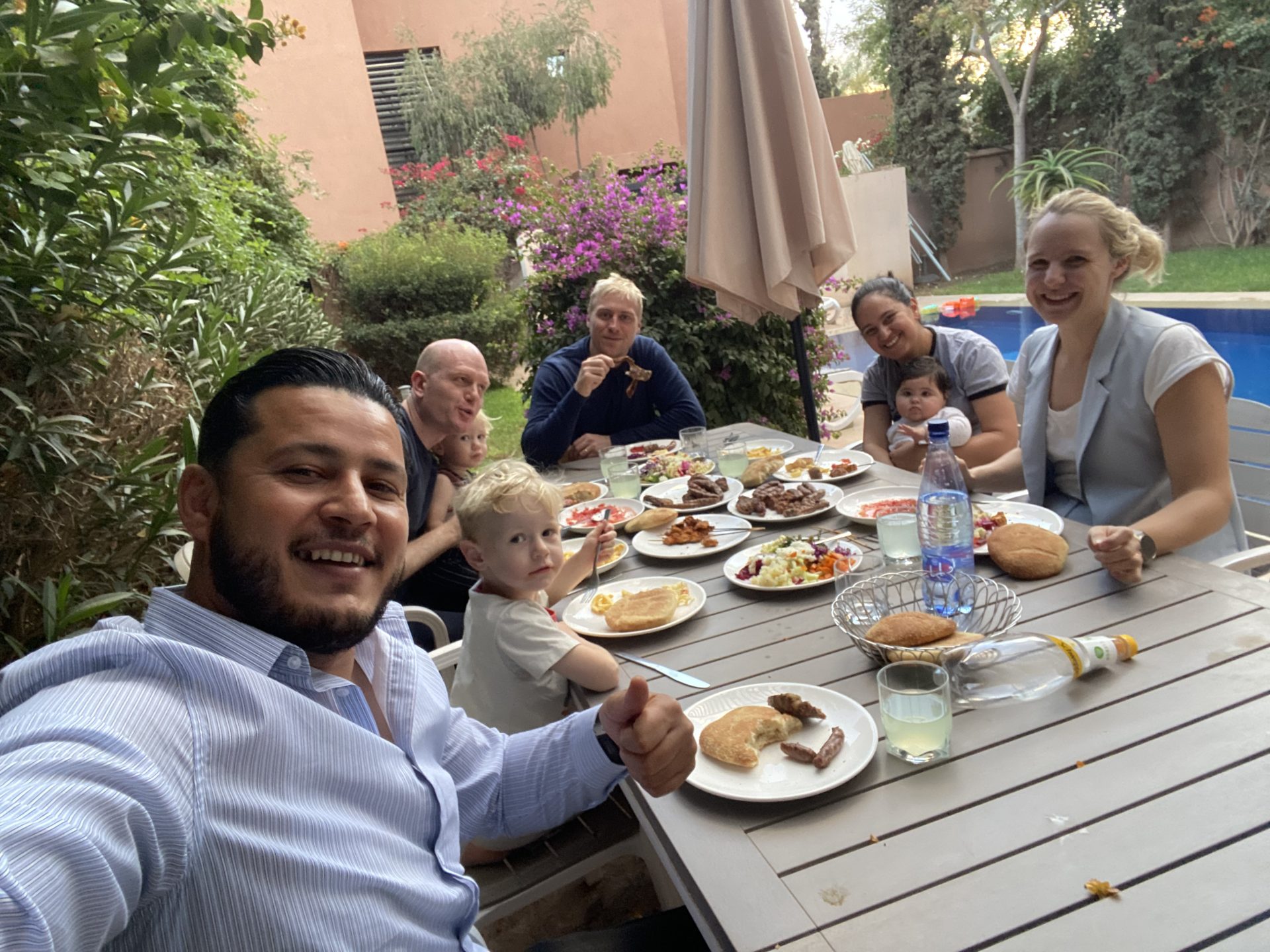

Marrakech casts a powerful spell on visitors. Its famous monuments, bustling squares, and labyrinthine souks draw millions who leave with memories of the Red City’s vibrant energy. Yet beyond the well-photographed landmarks lies another Marrakech, quieter and more intimate, where authentic experiences await travelers willing to venture beyond the tourist trail. This guide explores the authentic tours Marrakech that reveal the city’s true character through encounters with artisans, cooks, and local communities.The medina of Marrakech contains thousands of workshops where traditional crafts continue as they have for centuries. While the main souk corridors cater primarily to tourists, parallel alleyways house spaces where genuine production occurs daily. Woodworkers carve intricate designs using hand tools passed through generations. Metalworkers hammer brass and copper into lanterns and serving dishes. Leather craftspeople transform hides into bags and slippers using natural tanning methods. Joining specialized tours Marrakech focused on artisan crafts provides access to these workshops and opportunities to meet the makers behind the objects.The tanners of Marrakech maintain one of the city’s most fascinating traditional industries. Unlike the famous tanneries of Fes, Marrakech’s leather workers operate on smaller scale, with workshops scattered throughout the medina’s northern quarters. Here, animal hides undergo transformation through natural processes involving lime, pigeon droppings, and vegetable dyes. The resulting leather, soft and supple, becomes the material for traditional babouche slippers, bags, and jackets. Visiting these working spaces requires tolerance for strong odors but rewards with genuine insight into pre-industrial craftsmanship.Textile traditions flourish throughout the Marrakech region. The women’s cooperatives producing argan oil often also maintain weaving traditions, creating wool and silk textiles using techniques passed through matrilineal lines. In the medina, specialty shops sell authentic Berber carpets sourced directly from producing communities, with proprietors who can explain the symbolism woven into each design’s patterns and colors. Tours Marrakech that include these textile experiences connect visitors with living traditions while supporting sustainable livelihoods for artisan communities.Culinary exploration offers another path to authentic cultural connection. Beyond restaurant dining, immersive cooking experiences begin with morning visits to the medina’s produce markets, where guides explain the seasonal ingredients that define Moroccan cuisine. Participants learn to select the freshest vegetables, identify quality spices, and understand the relationships between vendors and regular customers who have shopped at the same stalls for decades. These market visits transform cooking from simple recipe-following into cultural education.The cooking classes themselves, typically held in traditional riad kitchens, teach preparation of dishes like tagine, couscous, and pastilla. Beyond technique, instructors share the cultural context of Moroccan cuisine – the importance of hospitality, the symbolism of certain dishes during celebrations, and the regional variations that make Moroccan food diverse. The shared meal that follows becomes a genuine convivial experience, often with stories exchanged alongside recipes.Marrakech’s gardens offer peaceful retreats that reveal different aspects of Moroccan culture. Beyond the famous Majorelle Garden lie lesser-known green spaces equally worthy of exploration. The Secret Garden (Le Jardin Secret), recently restored near the Ben Youssef Madrasa, juxtaposes Islamic and Mediterranean garden traditions while explaining the symbolic importance of water and shade in Moroccan design. The Anima Garden, created by Austrian artist André Heller, combines botanical collections with sculptures by renowned international artists, demonstrating contemporary cultural connections. The Menara Gardens, with their vast olive groves and reflective pool framed by Atlas Mountains, have provided inspiration for centuries.Evening brings opportunities for authentic cultural experiences beyond Jemaa el-Fnaa’s tourist-focused entertainment. Small venues throughout the medina host performances of traditional music, from Andalusian classical to Gnawa spiritual traditions. These intimate settings, often in restored riads or cultural centers, provide contexts for understanding music’s role in Moroccan spiritual and social life. Some performances include explanations of instruments and musical structures, deepening appreciation for traditions that UNESCO has recognized as intangible cultural heritage.The hamman tradition represents another authentic experience accessible to respectful visitors. While tourist-oriented spas offer sanitized versions of the bathhouse experience, public hammams in residential neighborhoods maintain authentic practices. Women visit during morning hours, men in late afternoon, creating same-sex spaces where social bonds strengthen alongside physical cleansing. Participating appropriately requires understanding etiquette – bringing your own supplies, accepting assistance from attendants, and respecting the communal nature of the experience. Some tours Marrakech can arrange appropriate hammam visits with cultural guides who explain procedures beforehand.Beyond the city limits, the surrounding landscape offers encounters with rural Berber culture. The Ourika Valley, less than an hour’s drive, contains villages where traditional lifeways continue alongside modern adaptations. Women’s cooperatives producing argan oil welcome visitors to observe the laborious process of cracking nuts and grinding kernels, explaining the health and cosmetic benefits of the resulting oil. Valley walks pass through terraced fields where farmers cultivate vegetables using irrigation systems developed centuries ago. Shared meals with valley families provide opportunities for conversation across cultural boundaries.The weekly souks (open-air markets) in towns around Marrakech offer glimpses of rural commerce untouched by tourism. On designated days, villagers from surrounding areas converge on market towns to buy and sell livestock, agricultural produce, household goods, and second-hand items. These markets operate entirely for local needs, with no adaptation for foreign visitors. Attending with a knowledgeable guide provides insight into rural economies and social dynamics while ensuring respectful behavior in spaces where tourism remains uncommon.Seasonal festivals throughout the year celebrate various aspects of Moroccan culture. The date harvest in autumn brings celebrations in palm groves throughout the south. The almond blossom in February transforms valleys around the Atlas Mountains into spectacles of pink and white. Religious festivals, though requiring understanding of Islamic practice, offer opportunities to observe communal celebrations when visiting appropriately. Tours Marrakech timed to coincide with such events provide deeper cultural immersion than standard itineraries.The key to authentic experiences lies in approach as much as itinerary. Travelers who slow down, who return to favorite neighborhoods repeatedly, who accept invitations to tea from shopkeepers without immediate purchase expectations, create conditions for genuine encounters. Learning a few phrases of Darija (Moroccan Arabic) opens doors that remain closed to those who rely entirely on English or French. Reading about Moroccan history and culture before arrival provides context that enriches every observation.Accommodation choices also shape opportunities for authentic connection. Riads employing local staff who live in the community create natural bridges to neighborhood life. Guesthouses in residential areas rather than tourist zones position visitors to observe daily routines. Homestay programs, though less common in Marrakech than in rural areas, exist through certain organizations and provide the most immersive possible experience of Moroccan family life.The authentic Marrakech that emerges from such approaches differs markedly from the city of postcard images. It is quieter, more layered, more complex – a place where ancient traditions persist alongside modernity, where hospitality remains genuine rather than commercialized, where the relationship between visitor and visited can transform from transaction to exchange. For travelers willing to venture beyond the tourist trail, these authentic experiences create memories that resonate far longer than any photograph of crowded squares.
What’s Included in Authentic Tours Marrakech
- Specialized guides with expertise in artisan crafts and local traditions
- Visits to working artisan workshops with maker meetings
- Market tours with culinary-focused guides
- Hands-on cooking classes in traditional riad kitchens
- Garden visits including lesser-known green spaces
- Cultural performance experiences in intimate venues
- Appropriate hammam experiences with cultural preparation
- Transportation for excursions beyond the city
- All entrance fees to sites and workshops
What’s Not Included
- International flights and travel insurance
- Personal purchases including artisan products
- Gratuities for guides, artisans, and drivers
- Accommodation in Marrakech
- Meals beyond specified inclusions
- Optional activities and excursions
Frequently Asked Questions
How do I find authentic tours Marrakech that avoid tourist traps?
Research operators who specialize in cultural tourism and employ guides with deep community connections. Read reviews carefully, looking for mentions of genuine encounters rather than rushed sightseeing. Ask specific questions about workshop visits, guide training, and community relationships when inquiring about tours.Are artisan workshops receptive to visitors during working hours?
Most artisans welcome interested visitors who approach respectfully, especially when accompanied by guides they know. Purchasing directly from makers rather than middlemen supports continued openness. Avoid visiting during prayer times or late afternoons when workers are finishing for the day.Can I participate in traditional cooking classes without professional kitchen experience?
Absolutely. Cooking classes accommodate all skill levels, from complete beginners to experienced home cooks. Instructors adapt explanations and assistance to each participant’s needs, ensuring everyone leaves with dishes they can recreate at home.What should I know before visiting a public hammam?
Research the gender-specific timing (women mornings, men afternoons). Bring your own scrub glove (kessa), black soap (savon noir), and towels. Accept that the experience differs from spa treatments – it’s communal, functional, and involves assistance from attendants. Follow the lead of regular bathers for proper etiquette.#ToursMarrakech #AuthenticMarrakech #MoroccoCulturalTravel #MarrakechArtisans #BerberCrafts #MarrakechCookingClasses #HiddenMarrakech #MoroccoTravel #MarrakechMedina #TraditionalMorocco #MarrakechGardens #HammamExperience #BerberHospitality #CulturalImmersion #MarrakechOffThePath
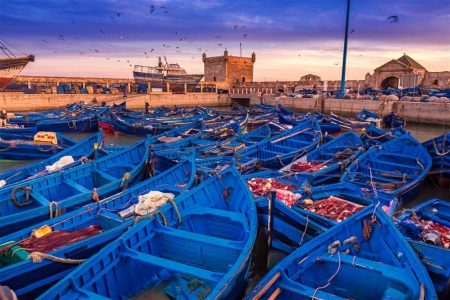
Epic Morocco Adventure – 15 Days of Discovery and Wonder
No Review
15 Days
Inquire for Details
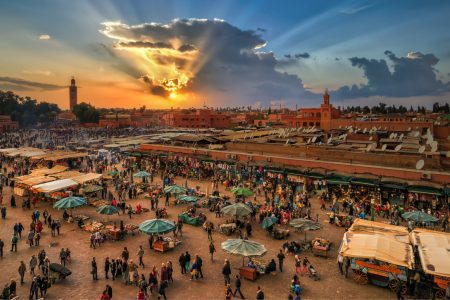
5 Days Marrakech to Marrakech Desert Tour with Merzouga Desert
No Review
5 Days
from
From565 €
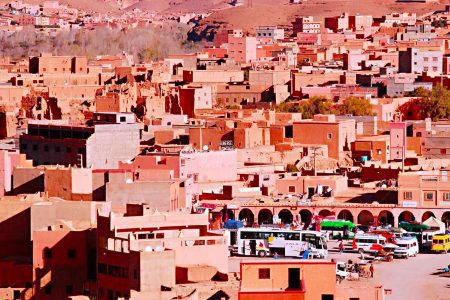
5 Day Marrakech to Fes With Private Driver in Morocco
No Review
5 Days , 4 Nights
from
From560 €
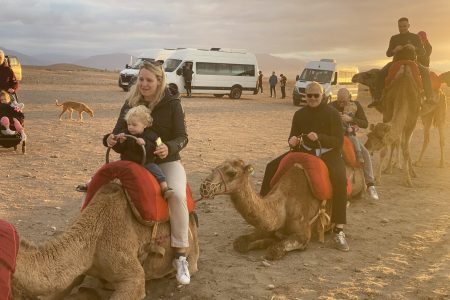
4 Days Erg Chegaga Dunes from Marrakech
No Review
4 days
from
From495 €
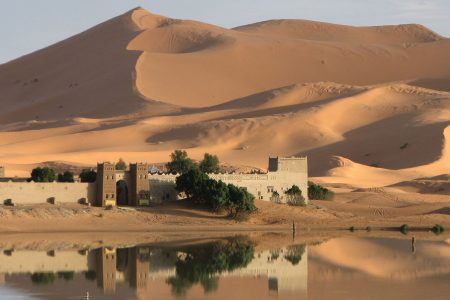
4 Day Marrakech to Erg Chebbi Desert Tour
No Review
4 Days
from
From590 €
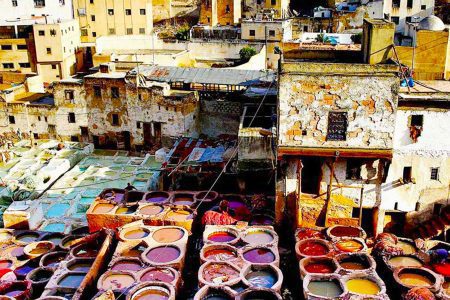
4 Day Journey from Marrakech to Fes via Merzouga Desert
No Review
4 Days
from
From500 €
0 Comment