
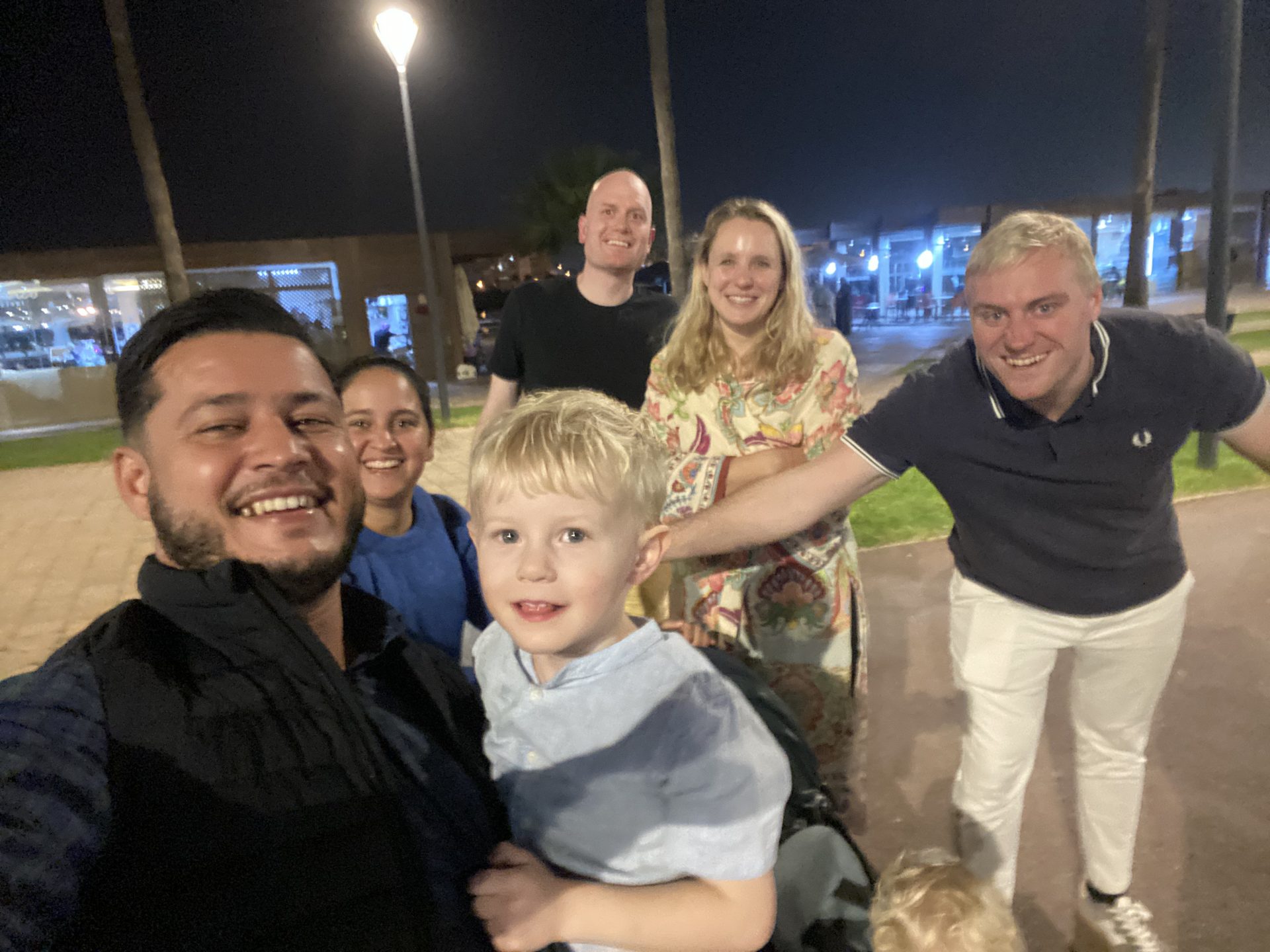

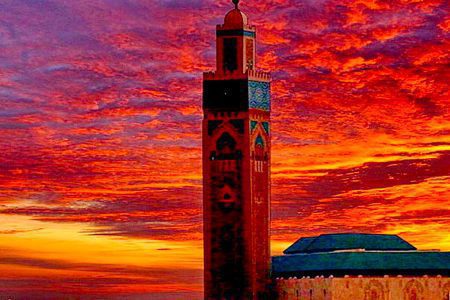
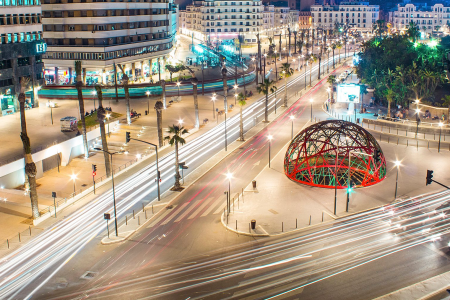
Casablanca embodies the paradox of modern Morocco. As the nation’s economic engine and largest city, it looks determinedly toward the future while carrying traces of a complex past. For travelers interested in contemporary culture, tours Casablanca focused on art, design, and urban life reveal a city where Moroccans are actively creating the twenty-first century. This guide explores the creative energy that makes Casablanca Morocco’s most dynamic cultural laboratory.The contemporary art scene in Casablanca has exploded in recent years, with galleries, studios, and cultural spaces multiplying throughout the city. The Villa des Arts, housed in a magnificent art deco building from the 1930s, leads the way with rotating exhibitions featuring established and emerging Moroccan artists. Its program encompasses painting, sculpture, photography, and installation art, providing overview of current trends. The foundation also maintains a sculpture garden where works by major artists can be viewed outdoors, and organizes educational programs that connect artists with new audiences.L’Uzine, a converted industrial space in the Roches Noires district, represents the new wave of alternative cultural venues. Its raw industrial aesthetic provides flexible space for exhibitions, concerts, performances, and cultural events that attract Casablanca’s creative community. The venue’s program deliberately mixes disciplines, recognizing that contemporary culture transcends traditional boundaries between visual art, music, and performance. Visiting L’Uzine during an opening or event offers immersion in the city’s creative energy.Private galleries throughout Casablanca represent individual artists and organize exhibitions that attract collectors and enthusiasts. Galerie 127, specializing in photography, has represented Moroccan and international photographers for decades, building collections that document the evolution of the medium in North Africa. Galerie Nadar, located in the art deco district, shows contemporary painting and sculpture with emphasis on emerging talent. Gallery hopping through these spaces reveals the diversity of contemporary Moroccan artistic practice.The design scene in Casablanca deserves equal attention. The city has long been a center for furniture and object design that blends Moroccan craft traditions with contemporary aesthetics. Showrooms in the Sidi Ghanem district, an industrial zone transformed into creative hub, display work by designers who commission production from traditional artisans while introducing modern forms and functions. The result is furniture and objects that feel simultaneously rooted in Moroccan heritage and completely contemporary.Studio tours in Sidi Ghanem provide insight into creative processes. Designers working in ceramics, metal, wood, and textiles welcome visitors to spaces where prototypes develop and production occurs. Conversations with makers reveal how they navigate between respect for traditional techniques and desire for innovation. Many studios maintain small showrooms where visitors can purchase pieces directly, supporting creative enterprises while acquiring unique souvenirs with genuine design credentials.Architecture enthusiasts find abundant material in Casablanca. Beyond the famous art deco heritage, the city contains significant examples of modernist and contemporary architecture. The Habous Quarter, while built during the protectorate period, represents innovative fusion of French urban planning with Moroccan architectural forms. The Hassan II Mosque, completed in 1993, demonstrates how traditional craftsmanship can achieve monumental contemporary expression. Newer buildings throughout the city reveal how Moroccan architects are addressing twenty-first century challenges while maintaining connection to cultural heritage.The culinary scene in Casablanca reflects the city’s cosmopolitan character. Alongside traditional Moroccan restaurants, a new generation of chefs is creating innovative cuisine that draws on local ingredients while incorporating international techniques and influences. Restaurants like La Sqala, housed in a restored Portuguese fortress, offer contemporary interpretations of Moroccan classics in settings that blend historic architecture with modern design. Beachfront establishments along the Corniche serve creative seafood dishes with Atlantic views.The city’s café culture provides windows into contemporary urban life. Modern cafés in the Gauthier and Maarif districts attract young professionals, artists, and students who gather for excellent coffee, pastries, and conversation. These spaces, with their contemporary design and free wifi, function as informal social clubs where ideas exchange alongside caffeine. Spending time in such cafés offers opportunities to observe the rhythms of Casablanca’s creative class.Street art has transformed neighborhoods throughout Casablanca. The city walls, particularly in working-class districts, display murals by local and international artists who have made the city a canvas for public expression. The annual Jidar street art festival brings artists from around the world to create large-scale works that remain as permanent contributions to the urban landscape. Self-guided or organized tours of street art reveal this evolving outdoor gallery while exploring neighborhoods rarely visited by tourists.Fashion represents another dimension of contemporary culture. Casablanca’s young designers are reimagining traditional dress for modern contexts, creating clothing that references Moroccan heritage while appealing to contemporary tastes. Boutiques in the city center and Gauthier district showcase these designers alongside international brands. Some designers welcome visitors to studios, explaining how they adapt traditional textiles, embroidery techniques, and silhouettes for contemporary wardrobes.The music scene in Casablanca pulses with creativity. Venues throughout the city host performances ranging from traditional Andalusian and Gnawa music to contemporary fusion, hip-hop, and electronic. Young Moroccan musicians draw on diverse influences, creating sounds that reflect the country’s position at cultural crossroads. Live music calendars, available through cultural centers and venues, reveal the range of musical expression flourishing in the city.Literary culture thrives in Casablanca’s bookshops and literary venues. Independent bookstores stock works by Moroccan authors alongside international literature, often hosting readings and discussions that attract engaged audiences. Librairie Livre Service in the Maarif district and Librairie des Colonnes, with its long history as intellectual gathering place, merit visits by readers interested in contemporary Moroccan writing. Some shops stock English translations of Moroccan authors, providing entry to local literary culture.The creative community in Casablanca is notably international. Artists, designers, and cultural workers from across Africa, Europe, and the Middle East have gravitated to the city, attracted by its energy and relative openness. This international dimension enriches the cultural scene, creating cross-pollination between Moroccan traditions and global contemporary practice. Conversations with creative professionals during tours Casablanca reveal how this mix shapes their work and the city’s cultural trajectory.Educational institutions contribute to cultural vitality. The Ecole Supérieure des Arts Visuels trains young artists and designers, many of whom remain in Casablanca after graduation to contribute to the creative scene. The school’s exhibitions and events are open to the public, providing opportunities to encounter emerging talent. Similar programs at other institutions ensure pipeline of creative energy entering the city’s cultural ecosystem.The market for contemporary art and design has grown significantly in recent years. Casablanca now hosts art fairs and design events that attract collectors from Morocco and abroad. The contemporary art auction market has developed, with Moroccan artists achieving prices that sustain professional practice. This commercial infrastructure, while perhaps less visible to casual visitors, supports the creative ecosystem by enabling artists to earn livelihoods from their work.Cultural policy in Morocco increasingly supports contemporary creation. Government institutions, private foundations, and international cultural organizations fund exhibitions, residencies, and production that enable artists to realize ambitious projects. The result is a cultural scene that, while still developing compared to global centers, demonstrates vitality and ambition that surprises visitors who expect only traditional Moroccan culture.The contemporary culture of Casablanca matters not only for what it produces but for what it represents. In a nation often associated primarily with its past – with ancient medinas, desert kasbahs, and timeless traditions – Casablanca demonstrates that Morocco is also creating its future. The artists, designers, and cultural workers of the city are engaging with global contemporary practice while maintaining connection to local heritage. The result is culture that feels both rooted and innovative, specific to place while participating in international conversations.For travelers who have experienced Morocco’s historic sites, tours Casablanca focused on contemporary culture offer essential counterpoint. They reveal a nation in the process of becoming, where creative energy addresses twenty-first century questions through forms that draw on deep heritage while looking determinedly forward. The encounter with this Casablanca enriches understanding of Morocco, complicating simple narratives and revealing the complexity of a nation navigating between tradition and modernity.
What’s Included in Contemporary Culture Tours Casablanca
- Specialized guides with expertise in contemporary art and culture
- Visits to major galleries and cultural institutions
- Design district exploration with studio visits
- Architecture tours featuring modernist and contemporary buildings
- Culinary experiences at innovative restaurants
- Street art tours of transformed neighborhoods
- Fashion and design boutique visits
- Cultural event attendance when available
- All entrance fees to exhibitions and venues
- Transportation between cultural sites
What’s Not Included
- International flights and travel insurance
- Personal purchases including art and design objects
- Gratuities for guides, studio hosts, and drivers
- Accommodation in Casablanca
- Meals beyond specified inclusions
- Special event tickets beyond standard programming
Frequently Asked Questions
Is Casablanca’s contemporary art scene accessible to international visitors?
Yes, most galleries and cultural venues welcome international visitors and provide information in French and increasingly English. Gallery staff are accustomed to questions from curious visitors and happy to discuss exhibitions. Exhibition texts often appear in both Arabic and French, with some venues adding English.Can I purchase contemporary art directly from Casablanca galleries?
Absolutely. Casablanca galleries represent artists and sell work to collectors, including international visitors. Shipping arrangements can typically be made for larger pieces. Prices vary widely depending on artist reputation and medium, with emerging artists offering more accessible entry points for new collectors.What neighborhoods should I explore for contemporary culture experiences?
The Gauthier and Maarif districts contain many galleries, design boutiques, and contemporary cafés. Sidi Ghanem houses designer studios and showrooms in a former industrial zone. The Roches Noires district, with L’Uzine and surrounding spaces, offers alternative venues. The city center contains historic art deco buildings and some contemporary spaces.How does contemporary Moroccan culture relate to traditional heritage?
The relationship is complex and generative. Many contemporary artists and designers draw consciously on traditional techniques, materials, and imagery while transforming them through contemporary practice. Others engage critically with heritage, questioning how traditions function in modern contexts. The resulting work demonstrates that tradition and innovation are not opposed but mutually informing.#ToursCasablanca #ContemporaryMorocco #CasablancaArt #MoroccanDesign #CasablancaCulture #ModernMorocco #ArtDecoCasa #SidiGhanem #MoroccanArtists #CasablancaGalleries #StreetArtCasablanca #MoroccanCuisine #CreativeCasablanca #UrbanMorocco #MoroccoNow
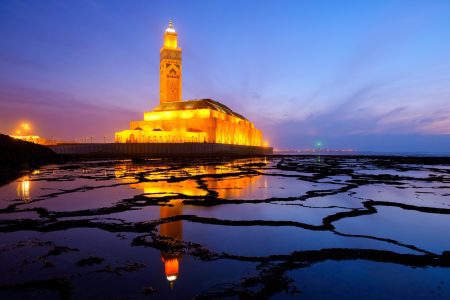
Cheap 14 Day Grand Tour of Morocco from Casablanca to Marrakech
No Review
14 Days
Inquire for Details
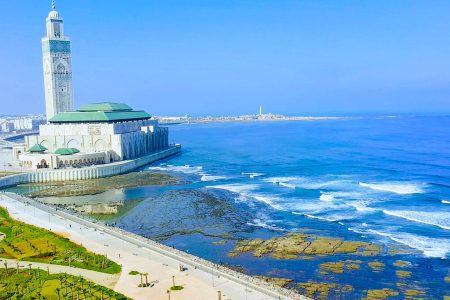
Casablanca to Fes 7 Day Private Desert Adventure with Merzouga Camel Trek
No Review
7 Days
from
From900 €
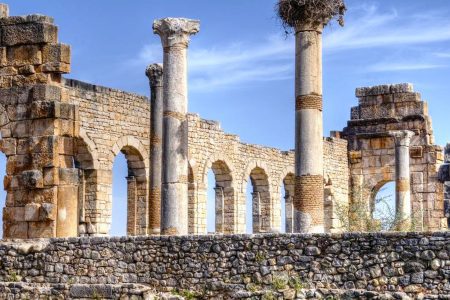
14 Days Private Morocco Tour – Explore Casablanca, Fes, Marrakech, Essaouira & Sahara
No Review
14 Days
Inquire for Details
12 Days Cultural Exploration and Desert Adventure in Morocco
No Review
12 Days
from
From1570 €
10 Day Private Tour Across Morocco with Expert Driver-Guide
No Review
10 Days
from
From850 €
0 Comment