

Marrakech pulses with an energy that has captivated travelers for centuries. Yet the true magic of the Red City lies not only in its famous landmarks but in the authentic experiences waiting beyond the well-trodden paths. For cultural travelers seeking genuine connection, tours Marrakech that delve into local life, artisan traditions, and the surrounding landscapes offer a transformative journey into the heart of Morocco.
The medina of Marrakech is a living organism, its narrow alleyways hiding centuries of history. While the bustling souks around Jemaa el-Fnaa square are essential visits, deeper exploration reveals quiet passages leading to artisan workshops where crafts have been practiced for generations. Woodworkers carve intricate designs using traditional tools, leather tanners employ methods unchanged since medieval times, and weavers create textiles using natural dyes. Joining guided tours Marrakech that include these workshops provides insight into the skill and heritage behind Moroccan craftsmanship.
Beyond the commerce, the medina shelters architectural treasures that speak to Morocco’s rich cultural fusion. The Ben Youssef Madrasa, once one of North Africa’s largest Islamic colleges, showcases stunning Saadian architecture with intricate zellij tilework, carved cedar ceilings, and a serene courtyard that invites contemplation. The nearby Almoravid Koubba, dating from the 12th century, offers a rare glimpse into pre-Almohad design. These sites, often overlooked in favor of grander monuments, reward those who seek them with authentic glimpses of Marrakech’s intellectual and spiritual heritage.
For many visitors, the highlight of tours Marrakech is the opportunity to step inside a traditional riad. These historic houses, built around interior courtyards, represent the pinnacle of Moroccan domestic architecture. Many have been converted into guesthouses or restaurants, allowing visitors to experience their tranquility and beauty firsthand. A guided tour might include a cooking demonstration where participants learn to prepare tagine or couscous, followed by a meal in the intimate setting of a riad terrace overlooking the medina’s rooftops.
The gardens of Marrakech offer peaceful respites from the city’s intensity. The Majorelle Garden, created by French painter Jacques Majorelle and later restored by Yves Saint Laurent, combines exotic plants with striking blue architecture. But beyond this famous oasis lie lesser-known green spaces like the Secret Garden (Le Jardin Secret), which juxtaposes Islamic and Mediterranean garden traditions, and the Anima Garden, a contemporary botanical and artistic creation featuring sculptures by renowned artists. These gardens reveal the enduring importance of green spaces in Moroccan urban life.
Venturing beyond the city limits opens up another dimension of tours Marrakech. The Ourika Valley, less than an hour’s drive into the High Atlas Mountains, offers dramatic landscapes of terraced hillsides, traditional Berber villages, and cascading waterfalls. Guided walks through the valley provide opportunities to encounter mountain communities, visit local markets, and share tea with Berber families. For those with more time, the trekking center of Imlil, gateway to Mount Toubkal, offers day hikes through walnut groves and mountain pastures with panoramic views of North Africa’s highest peak.
The Agafay Desert, a rocky desert landscape just outside Marrakech, presents a different kind of adventure. Often called the “stone desert,” its lunar terrain provides a dramatic setting for camel rides, quad biking, or simply watching the sunset over the Atlas Mountains. Luxury desert camps in Agafay offer overnight experiences complete with gourmet dining and stargazing, providing a taste of the Sahara without the long journey south.
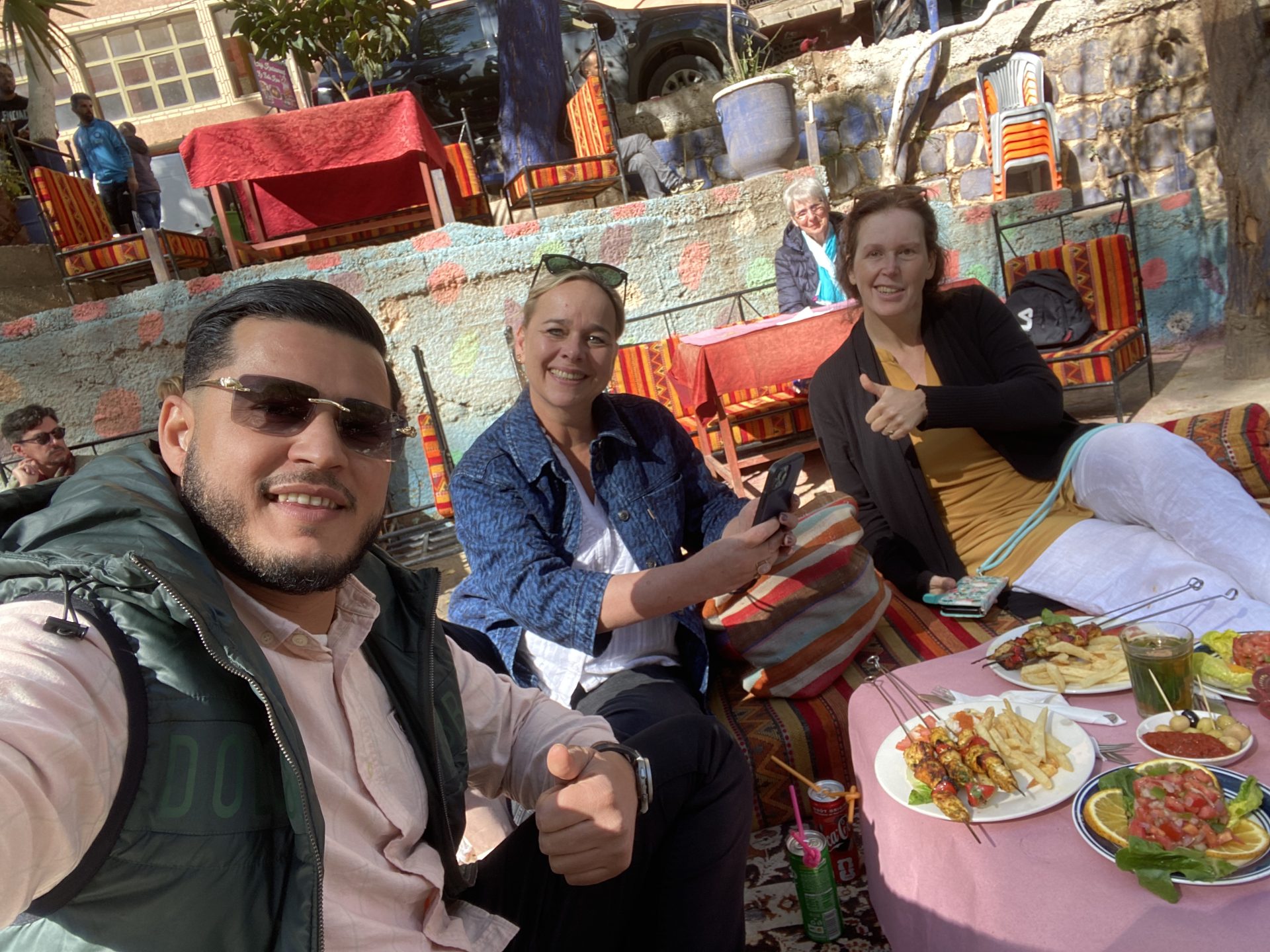
Culinary exploration forms an essential part of any cultural journey. Tours Marrakech focused on food might begin with a morning visit to the medina’s vegetable and spice markets, where guides explain the ingredients that define Moroccan cuisine. Participating in a bread-baking session at a traditional communal oven or learning to prepare a family recipe in a local home creates connections that transcend language barriers. The shared meal becomes a celebration of hospitality, the cornerstone of Moroccan culture.
When planning tours Marrakech, consider the rhythm of the city. Early mornings offer the most authentic glimpse of daily life, as shopkeepers open their stalls and residents go about their routines. Late afternoons bring the city to life with street performers, food vendors, and the call to prayer echoing from minarets. Allowing time to simply wander without fixed itinerary often leads to the most memorable encounters – an invitation to tea from a shopkeeper, the discovery of a hidden square, the sound of traditional music drifting from a doorway.
Accommodation choices can deepen cultural immersion. Riads in the medina place guests at the heart of traditional urban life, with rooftop terraces offering views of the city’s daily rhythms. Many riads employ local staff who can recommend authentic experiences and introduce guests to neighbors and artisans. This personal connection transforms a visit into a genuine cultural exchange.
The essence of meaningful tours Marrakech lies in slowing down and opening oneself to the unexpected. Beyond the iconic images of Jemaa el-Fnaa and the Koutoubia Mosque exists a city of profound depth, where every alley tells a story and every encounter offers an invitation to understand Morocco’s layered identity. For the cultural traveler, Marrakech rewards patience with moments of genuine connection that linger long after returning home.
What’s Included in Cultural Tours Marrakech
- Expert local guides with deep knowledge of history and traditions
- Private transportation or guided walking experiences
- Authentic meals in traditional riads or family homes
- Visits to artisan workshops with opportunities to meet craftspeople
- Guided medina walks exploring hidden passages and local life
- Cultural demonstrations (cooking, calligraphy, or traditional crafts)
- All entrance fees to monuments, gardens, and cultural sites
What’s Not Included
- International flights and travel insurance
- Personal purchases and souvenirs
- Gratuities for guides and drivers
- Optional activities not specified in itinerary
- Alcoholic beverages
Frequently Asked Questions
How many days should I allow for meaningful tours Marrakech?
For a comprehensive cultural experience, allow at least four to five days. This provides time to explore major sites at a relaxed pace, venture into the surrounding mountains, participate in cultural workshops, and simply absorb the medina atmosphere without rushing.
Are tours Marrakech suitable for solo female travelers?
Yes. Marrakech welcomes solo female travelers, and joining organized cultural tours provides safety, companionship, and deeper insights. Many tour operators offer women-only groups and can arrange female guides upon request. Standard urban precautions apply as in any major city.
What should I wear during tours Marrakech to respect local customs?
Modest dress is appreciated, especially when visiting religious sites. Lightweight, loose-fitting clothing that covers shoulders and knees is ideal for both comfort and cultural sensitivity. A scarf is useful for mosque visits and sun protection. Comfortable walking shoes are essential for medina exploration.
Can tours Marrakech accommodate dietary restrictions?
Yes. Moroccan cuisine accommodates various dietary needs including vegetarian, vegan, and gluten-free options. Communicate your requirements when booking, and most tour operators and restaurants will happily adjust menus. The abundance of fresh vegetables, legumes, and fruits makes adaptation easy.
#ToursMarrakech #MarrakechCulturalTours #MoroccoTravel #RedCity #AuthenticMarrakech #BerberCulture #AtlasMountains #MoroccanArtisans #MarrakechMedina #CulturalTravel #MoroccoVacation #TravelDeeply #MoroccoHiddenGems #SustainableTourism #MarrakechExperiences
0 Comment